中文EN

Photemp C temperature controllers

Minimum measurement and control temperature:

Down to 300 mK (with an NTC resistance thermometer)

Temperature measurement and control resolution:

Control resolution: 0.1 mK (24-bit ADC resolution)

Temperature calibration curves:

1000 curves

Up to 4 temperature-control channels

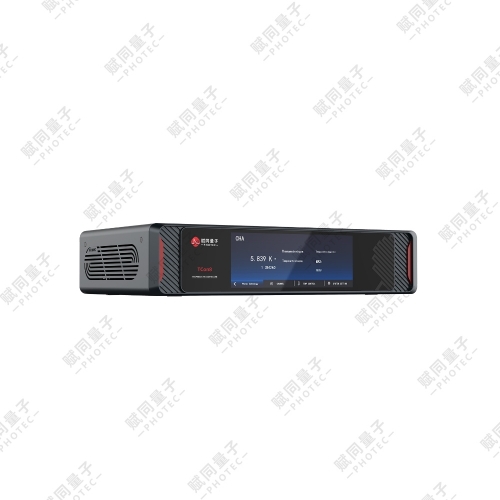
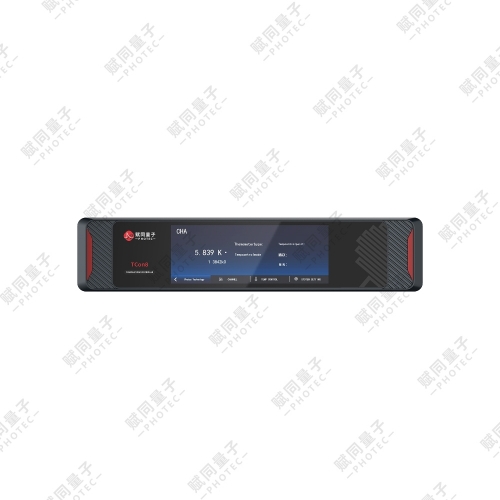
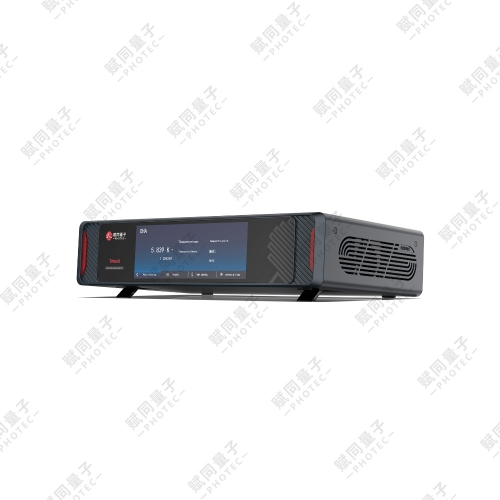
Photemp C combines precision measurement, broad sensor compatibility and high-power PID outputs.

Up to 4 PID control loops provide low-noise heater outputs of 49 W per loop, depending on the selected heater configuration. Each loop can use any of the 8 thermometer inputs for feedback and is compatible with almost all commercially available diode and resistance temperature sensors.
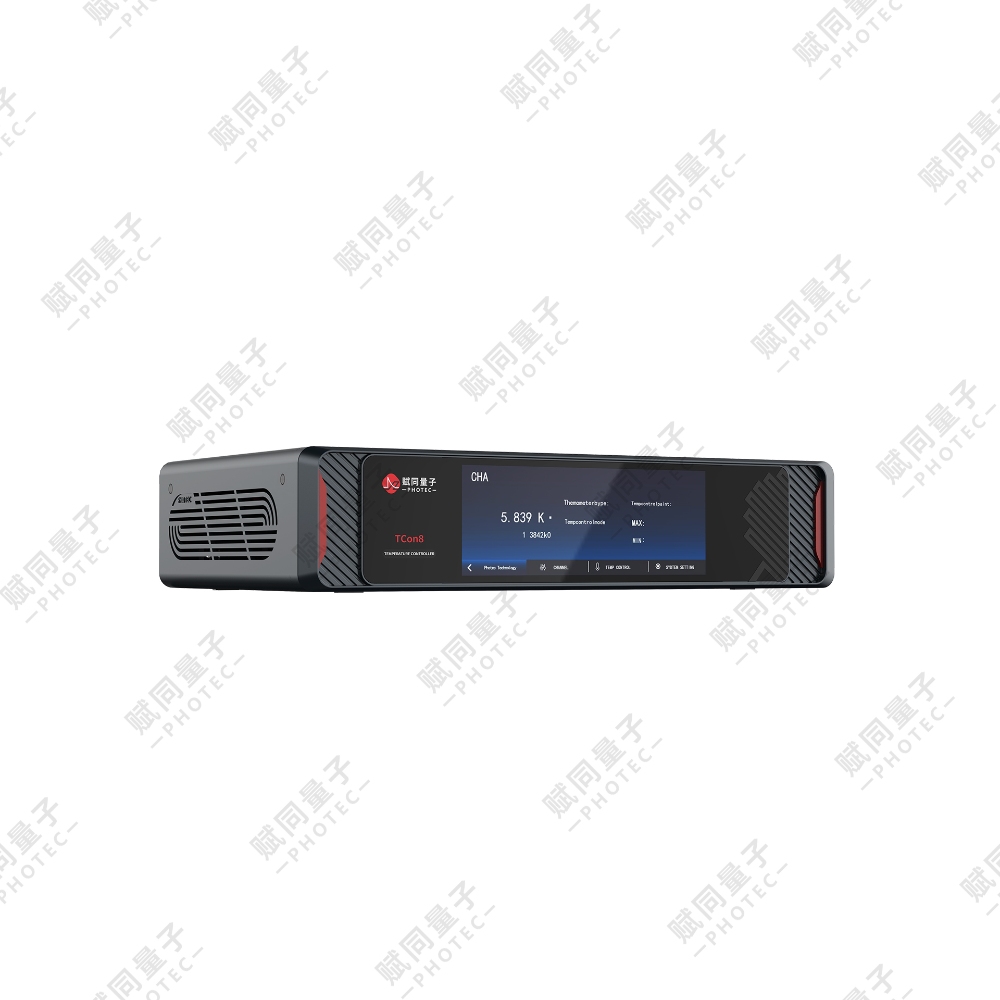
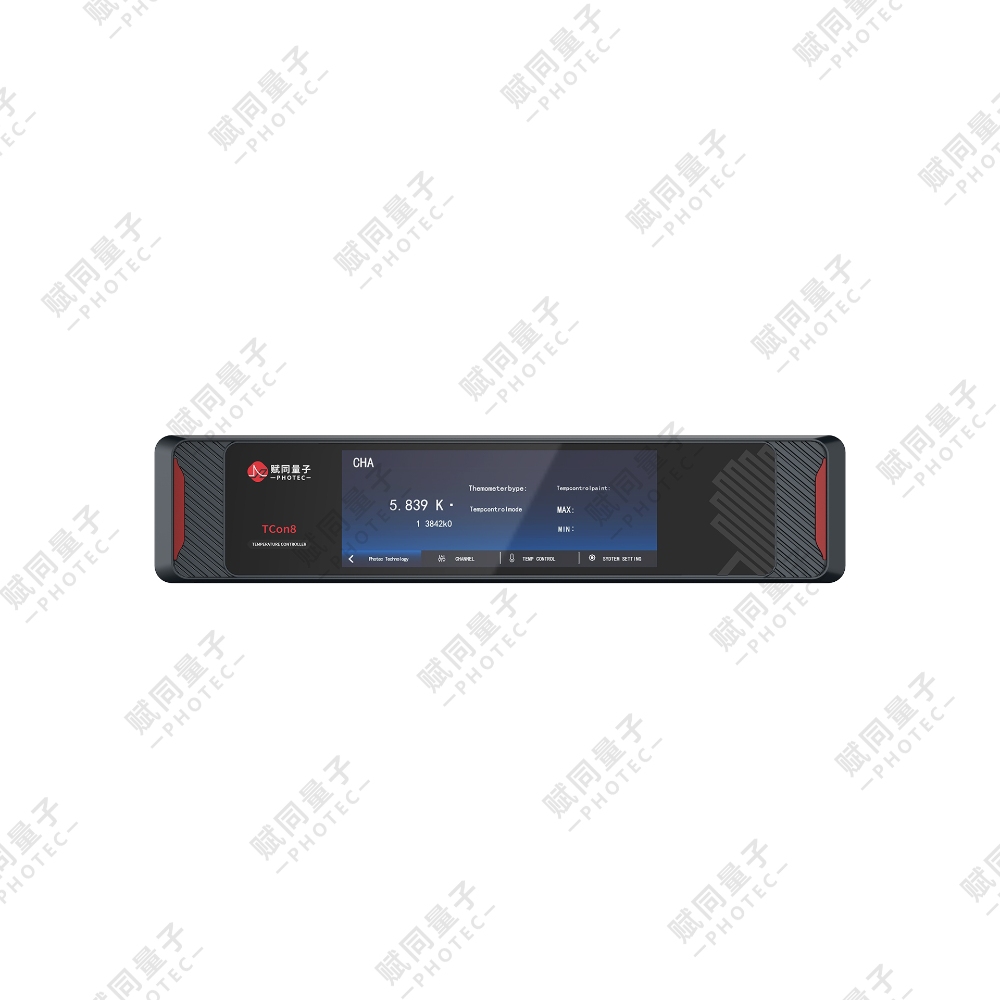
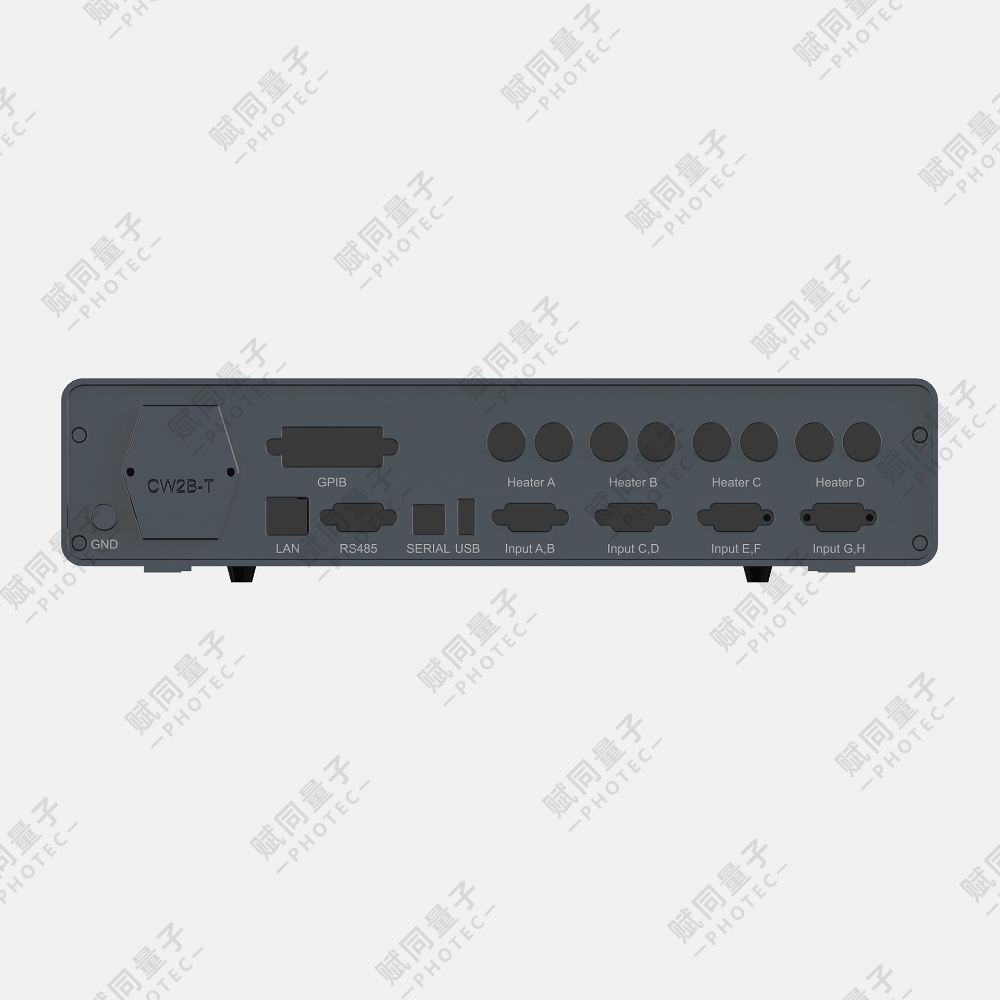
Product details

Photemp C · Multichannel temperature measurement and control

8 temperature inputs and 4 independent PID loops, with up to 49 W per output.

Photemp C measures temperatures from 0.3–999 K with variable constant-current excitation and reversal. Four independent heater outputs provide up to 196 W total power. PID autotuning, adaptive-gain PID and Zone control are combined with sensor compatibility, calibration-curve management and multiple communication interfaces.

0.3–999 KTemperature measurement range
8 inputs / 4 outputsTemperature inputs / control outputs
49 WMaximum per-channel output
196 WMaximum total output power

Core capabilities

  • Channels A–H independently configure sensors, excitation current and direction, calibration curves and filtering.
  • Each of the 4 heater outputs binds to one measurement channel and supports open-loop output or closed-loop control.
  • Supports PID autotuning, adaptive-gain PID and Zone PID, with control stability within ±5 mK.
  • Variable constant-current excitation spans 10 nA–1 mA, with reversal and Kalman filtering.
  • Supports diode and RTD sensors; thermocouple and capacitance sensors require the corresponding optional cards.
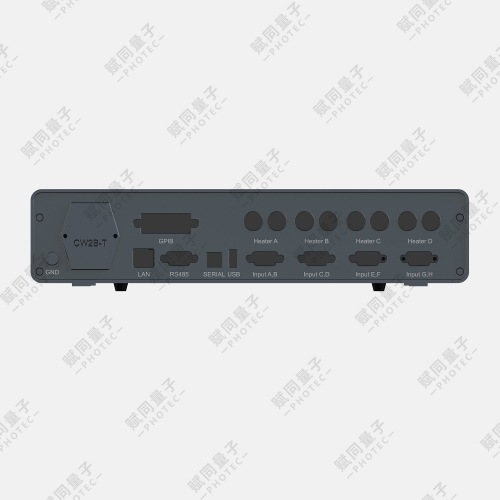
  • USB, serial, RS485, GPIB and LAN interfaces support calibration-curve writing and firmware upgrades.

Technical specifications

ParameterPhotemp C
Temperature inputs8, customizable; PhotempC01 / C04 / C08 enable 1 / 4 / 8 channels respectively
Temperature measurement range0.3–999 K
Control outputs4, customizable
Control modesOpen-loop / closed-loop PID; autotuning, adaptive-gain PID and Zone PID
Control stabilityWithin ±5 mK (depends on system, sensor, heat load and PID settings)
Output typeVariable DC supply / PWM AC voltage source, customizable
Maximum output power196 W total; 49 W per channel
Minimum voltage setting step0.001 V
Sensor excitationVariable constant-current source with reversal
Excitation current settings10 / 30 / 100 / 300 nA;1 / 3 / 10 / 30 / 100 / 300 μA;1 mA
Compatible sensorsDiodes, RTDs (platinum / rhodium-iron), Cernox®, Rox™ (100 kΩ), silicon / GaAlAs diodes, PT100, PT1000
Optional sensor supportThermocouples: optional 3060 card; capacitance sensors: optional 3061 card
Calibration curvesMultiple curves: storage, selection, viewing and writing with curve-management software
FilteringKalman filter with configurable R / Q parameters
Communication interfacesUSB, serial, RS485, GPIB, LAN (Ethernet)
Real-time monitoringTemperature, sensor voltage/resistance, output current, voltage, power and heater status
Closed-loop protectionNo heater output if the feedback channel is unbound or abnormal
Firmware upgradeUSB flash-drive firmware upgrades using manufacturer-provided tools and procedures

Applications

Dilution refrigerators and cryostatsMultistage temperature monitoring and independent heater control.
Superconducting device testingMultichannel temperature measurement, closed-loop control and experiment monitoring.
Sensor calibration and evaluationCalibration-curve management and excitation-current/direction configuration.
Automated multizone experimentsMultiple PID loops and communication interfaces integrate into laboratory workflows.

Configuration and options

0.3–999 K is the instrument measurement range. Usable temperature range depends on the sensor and calibration curve. Control stability also depends on heat load, thermal connections, heaters and PID settings. Thermocouple/capacitance support and output types depend on the selected configuration.