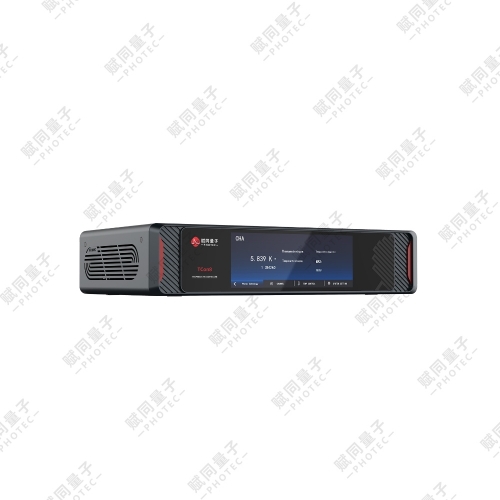
Photemp M temperature monitors provide high-resolution, stable multipoint cryogenic monitoring with 0.1 mK display resolution. They support diode and negative-temperature-coefficient resistance thermometers, with up to eight thermometers of different types connected simultaneously.
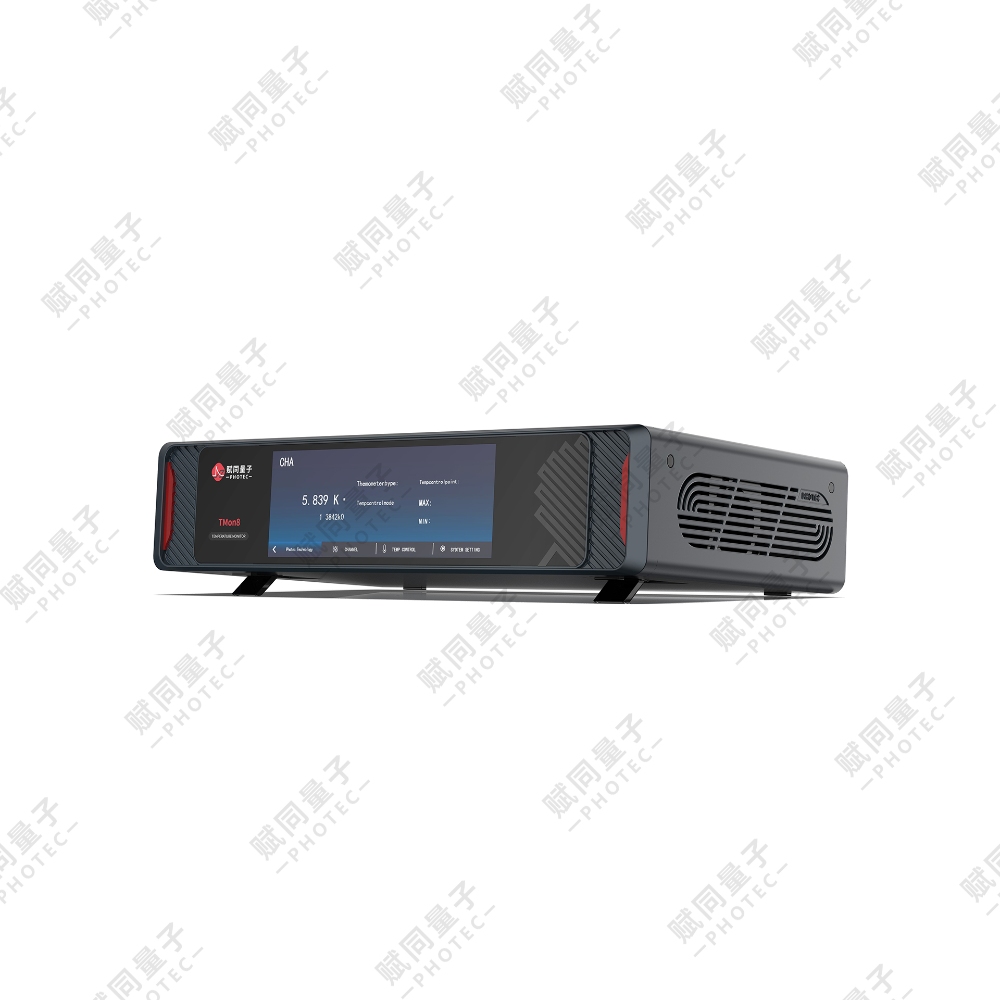
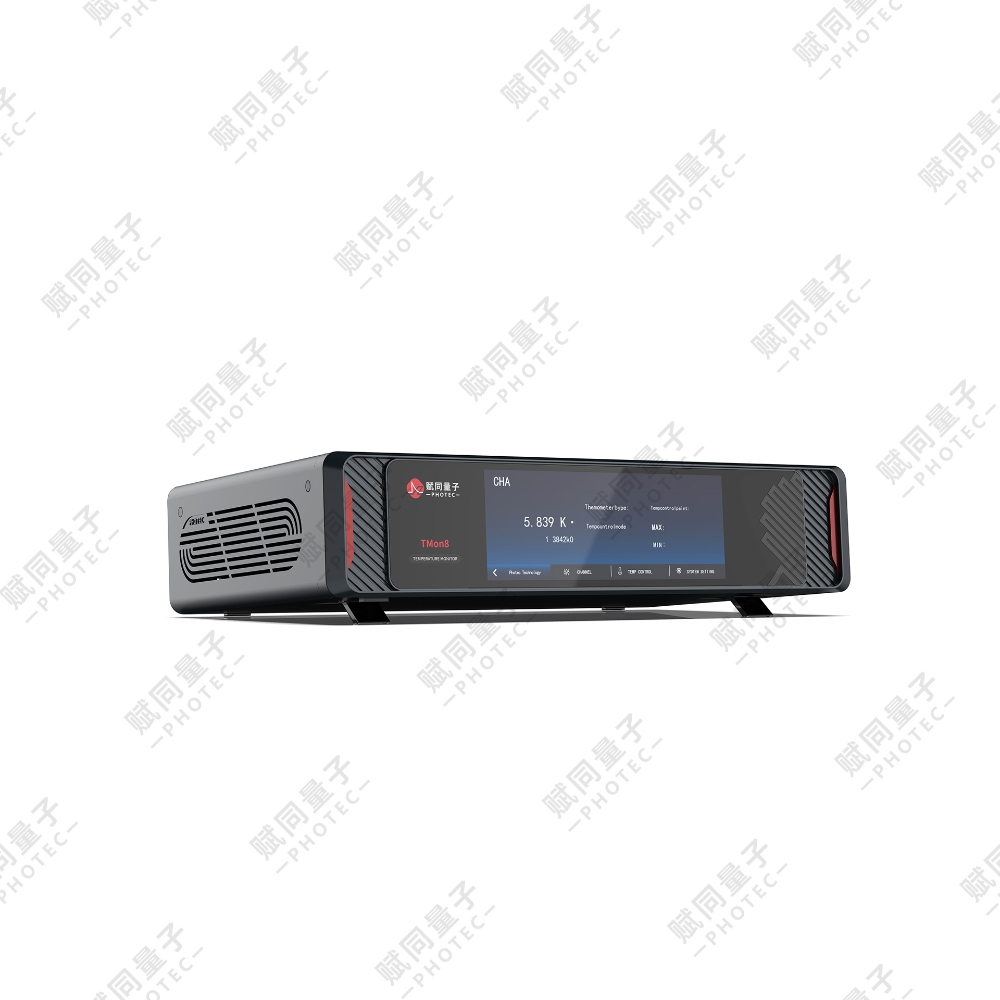
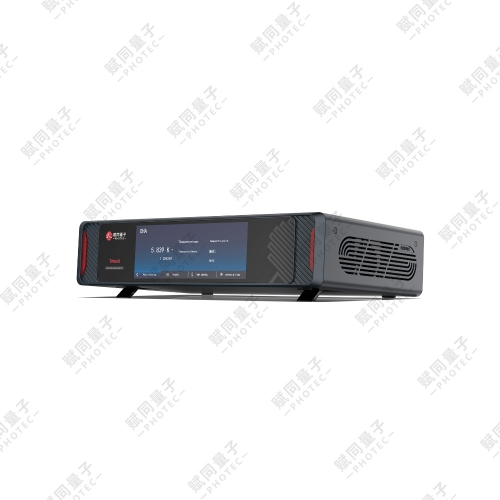
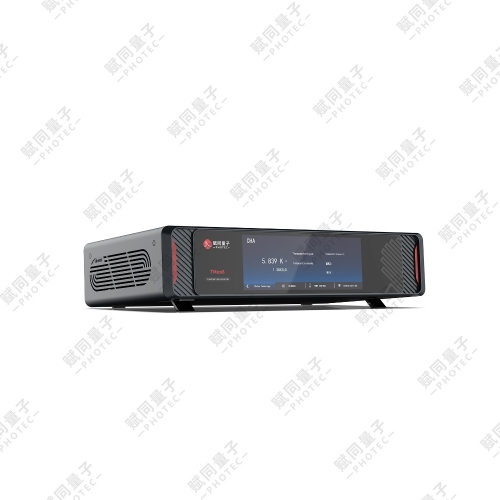
Product details
Photemp · Multichannel temperature monitoring
Multipoint cryogenic monitoring with 0.1 mK display resolution and compatibility with multiple sensor types.
Photemp M monitors multiple temperatures in cryogenic systems. Diode and resistance sensors use four-wire measurements to reduce lead-resistance effects, with multichannel temperature display on a touchscreen.
1/4/8Measurement channels
0.1 mKTemperature display resolution
16-bitADC
Four-wireSensor measurement
Core capabilities
- Standard configurations support up to 8 independent temperature inputs.
- Supports diodes, Cernox, carbon-glass, germanium and other cryogenic sensors.
- Four-wire measurement with multiple excitation-current settings.
- Supports USB, RS485, ASCII and Lake Shore-compatible communication.
Technical specifications
| Parameter | Photemp M |
|---|---|
| Input channels | Standard 1 / 4 / 8 channels |
| Display resolution | 0.1 mK / 0.1 mV |
| ADC | 16-bit |
| Measurement method | Four-wire |
| Sensor types | Diodes, silicon, gallium arsenide, Cernox, carbon-glass, germanium, etc. |
| Communication interfaces | USB serial / RS485; ASCII protocol |
| Protocol compatibility | Lake Shore ASCII protocol |
| Display | 6.8-inch TFT-LCD capacitive touchscreen |
| Dimensions | 220 mm × 300 mm × 96 mm |
Applications
Multipoint cryogenic monitoringMonitors quantum devices, radiation shields and sample holders simultaneously.
Cryostat assessmentTemperature traces help assess thermal links and heat loads.
Cryogenic sensor calibrationRecords sensor response and temperature stability.
Automated data acquisitionConnects to laboratory software through serial or RS485.
Configuration and options
Display resolution is not measurement accuracy across the full temperature range. Accuracy depends on the sensor, calibration curve, excitation current and wiring.