Quantum key distribution (QKD)
Decoy-state, MDI and TF fiber QKD experiments, where 1550 nm efficiency, dark counts and performance at high count rates matter most.

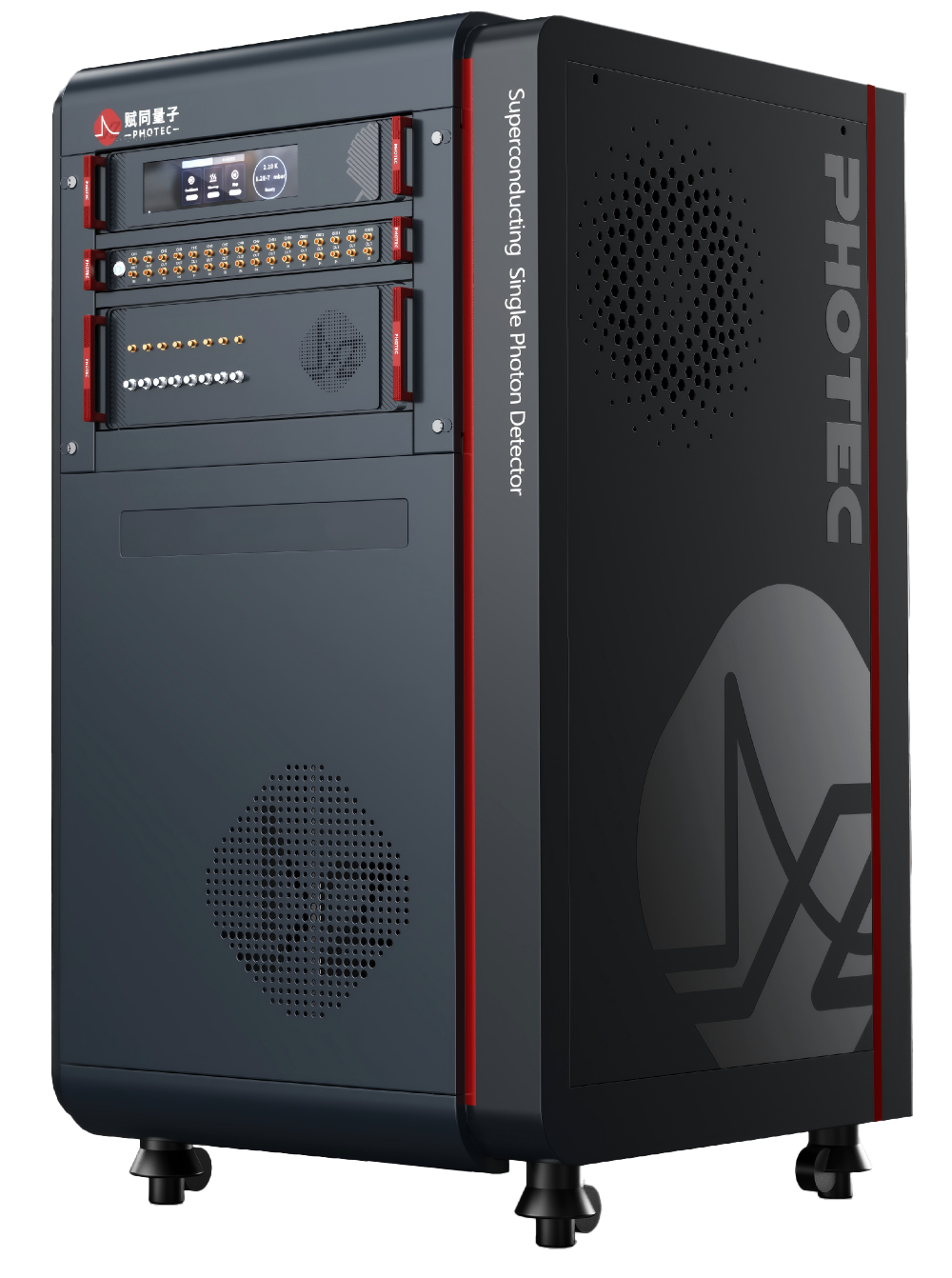
Configure superconducting nanowire single-photon detection around photon counting, temporal correlations and weak-light reception.
Twelve typical research directions across four fields: quantum information, quantum optics, optical communication & ranging, and imaging & precision measurement. Each direction weighs wavelength, efficiency, dark counts, timing jitter, count rate and channel count differently — use them as a starting point for configuration with our team.
Decoy-state, MDI and TF fiber QKD experiments, where 1550 nm efficiency, dark counts and performance at high count rates matter most.
Multi-node entanglement distribution, quantum memory interfaces and repeater experiments that need synchronized channels, low jitter and long-term stability.
In multiphoton interference and large linear-optical networks, channel count and overall efficiency set the multiphoton coincidence rate.
HBT autocorrelation, HOM interference and state tomography of single-photon, entangled and squeezed sources, with detection and coincidence counting matched to timing and channel needs.
Squeezed states, Fock states and Gaussian boson sampling that need to distinguish photon numbers — evaluate the GAUSS photon-number-resolving series.
Loophole-free Bell tests, quantum nonlocality and quantum random-number experiments with very demanding efficiency and dark-count requirements.
Long-distance laser-communication receivers such as Earth–Moon and satellite–ground links, focused on large active area, multipixel counting and GHz-level maximum count rates.
Long-range ranging, imaging through obscurants and non-line-of-sight imaging: jitter sets range precision, while active area and background rejection set reception.
Single-photon OTDR, distributed fiber sensing and link diagnostics, where low dark counts extend dynamic range and distance.
Photon-counting, scanning and time-resolved imaging at extremely low light levels, with multipixel or array detection for higher imaging speed.
Lifetime, antibunching and spectral measurements of quantum dots, color centers and 2D-material emitters, often combined with a cryostat.
Quantum-enhanced measurement, single-photon spectroscopy and weak-light detection up to 2 μm, with devices and filtering tailored to the target wavelength.
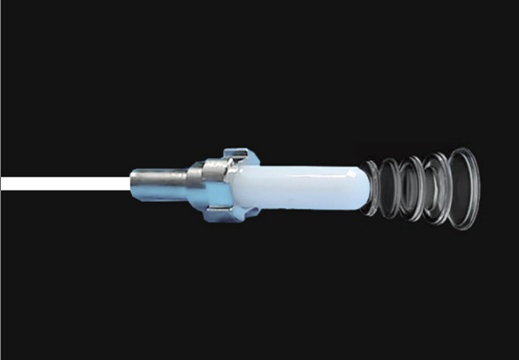
Free-space or single-/multimode fiber delivers the optical signal, matched in wavelength and mode field.
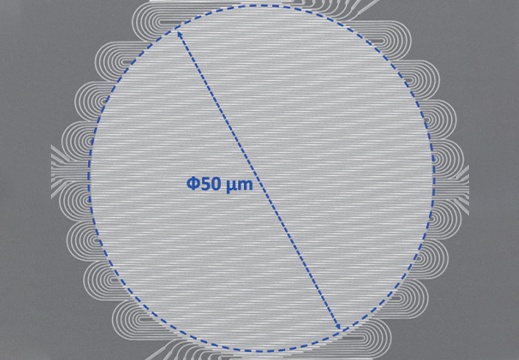
A cryogenic superconducting nanowire absorbs single photons and produces a distinct electrical pulse.
Low-noise current bias and amplified readout deliver stable detection pulses.
Time-to-digital conversion and coincidence counting reveal count rates, timing and correlations.
An indicative experimental workflow. Modules and compatibility are confirmed for each configuration.
Select a configuration around efficiency, dark counts and timing.
For experiments requiring photon-number-resolved readout.
Evaluate multipixel configurations against count-rate and readout requirements.
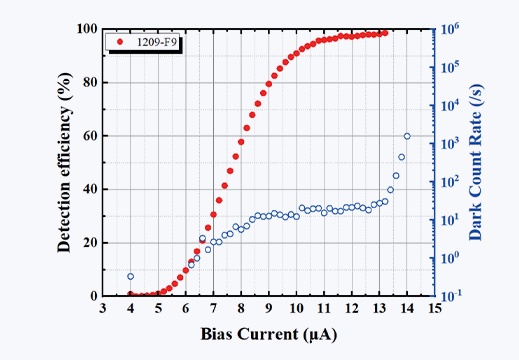
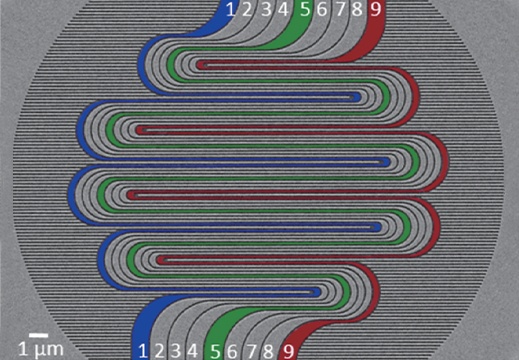
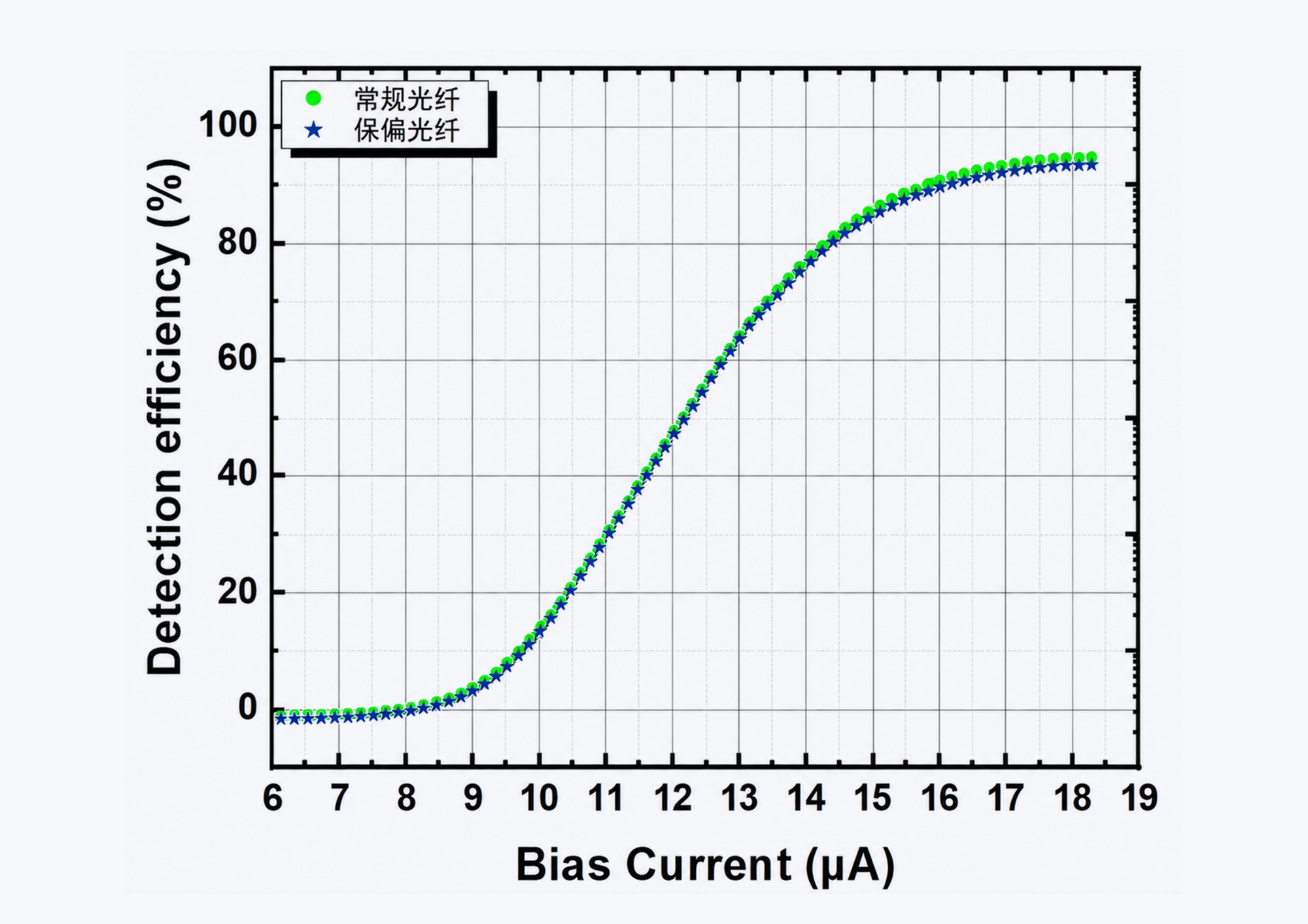
Photec was incubated in 2017 by an SNSPD research team from a Shanghai research institute, with fully in-house chip design, fabrication and system integration. Its SNSPD devices have repeatedly set records in detection efficiency and dark count rate, and the technology is patented in China.
Share your sample, measurement goals and existing equipment so we can discuss a suitable configuration.