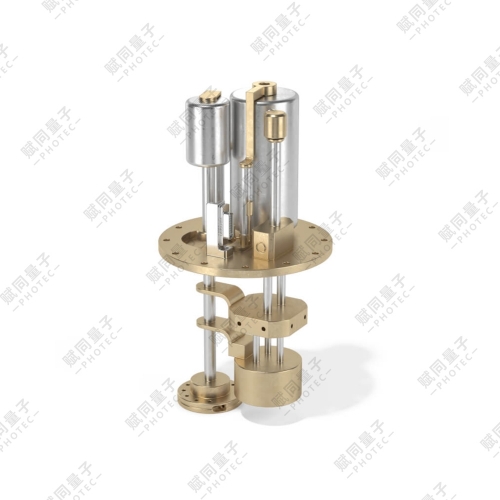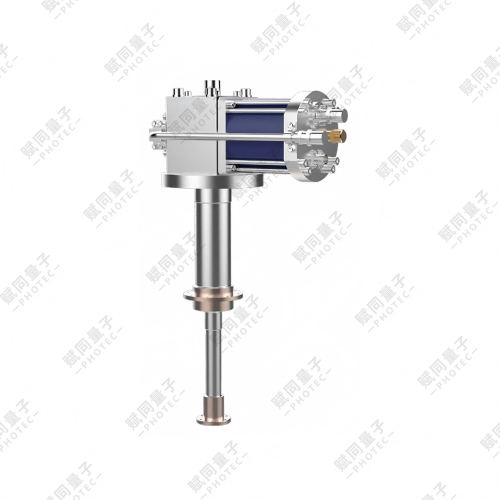
Key advantages include no moving parts, ultralow vibration, no helium loss and electrical power input only. Products can be customized for the application, including changes to operating time, cooling load, compatibility with an existing cryostat and available installation space.
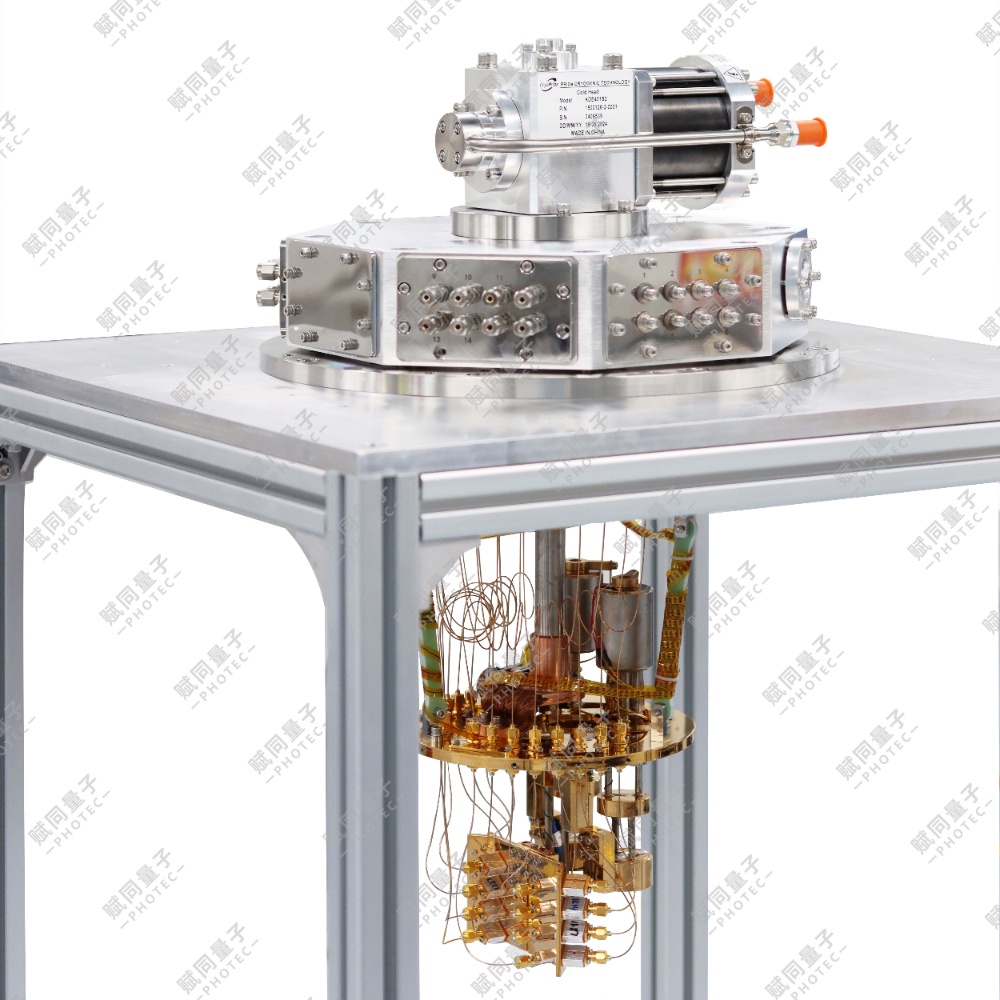
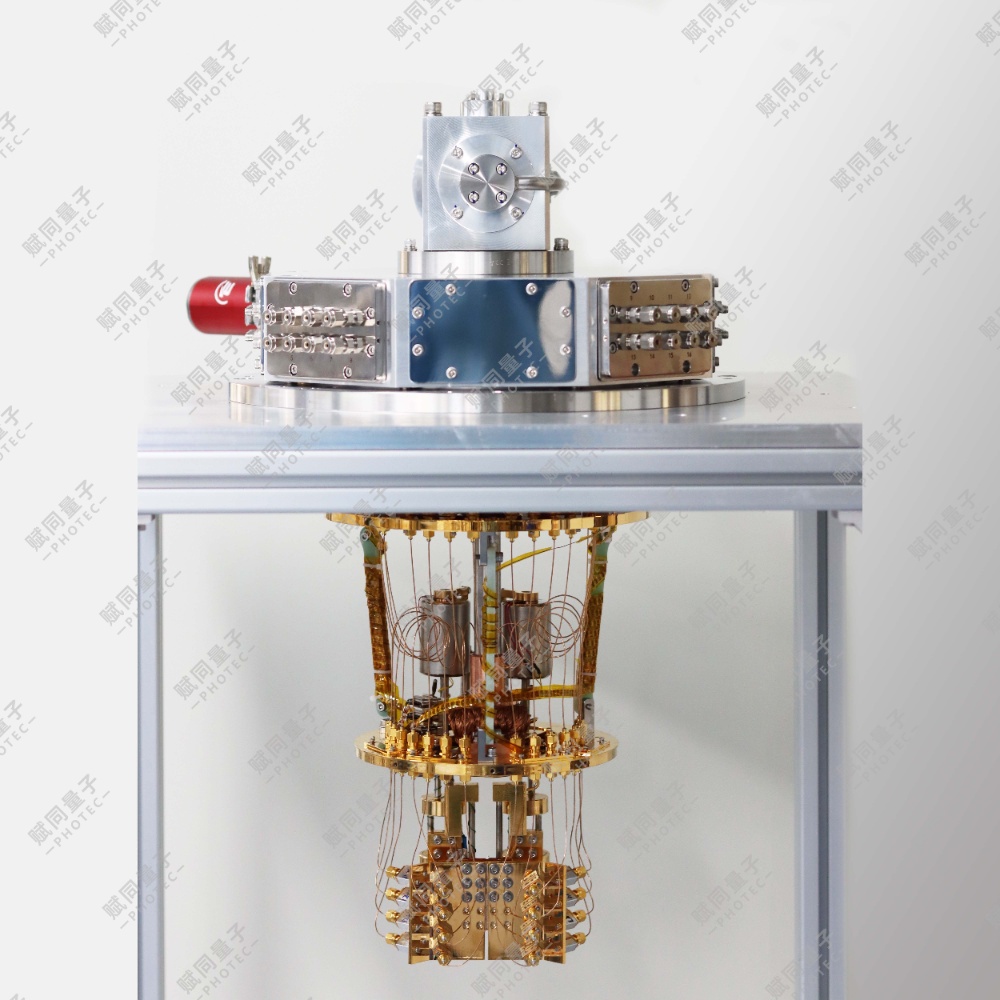
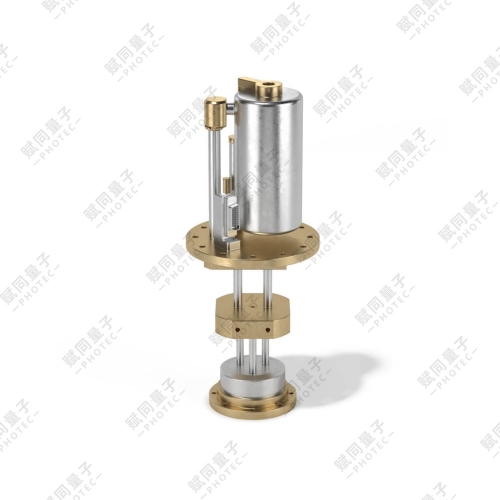
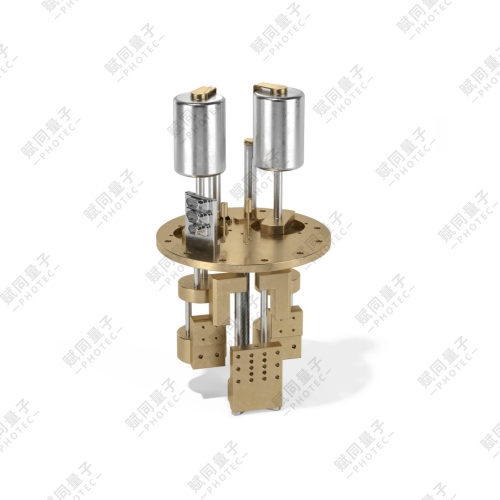
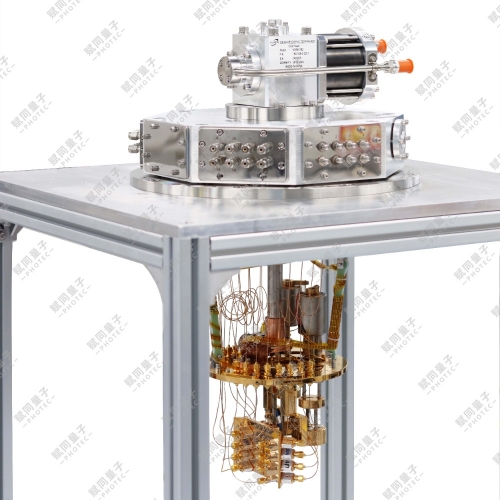
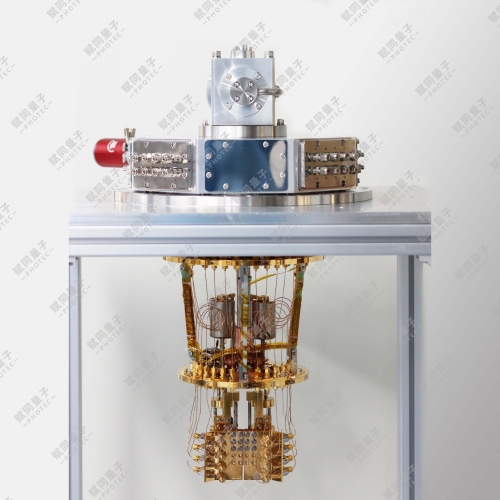
Product details
He3 sorption cooling · 800 mK class
Liquid-helium-free subkelvin cooling with long-cycle intermittent or continuous operation.
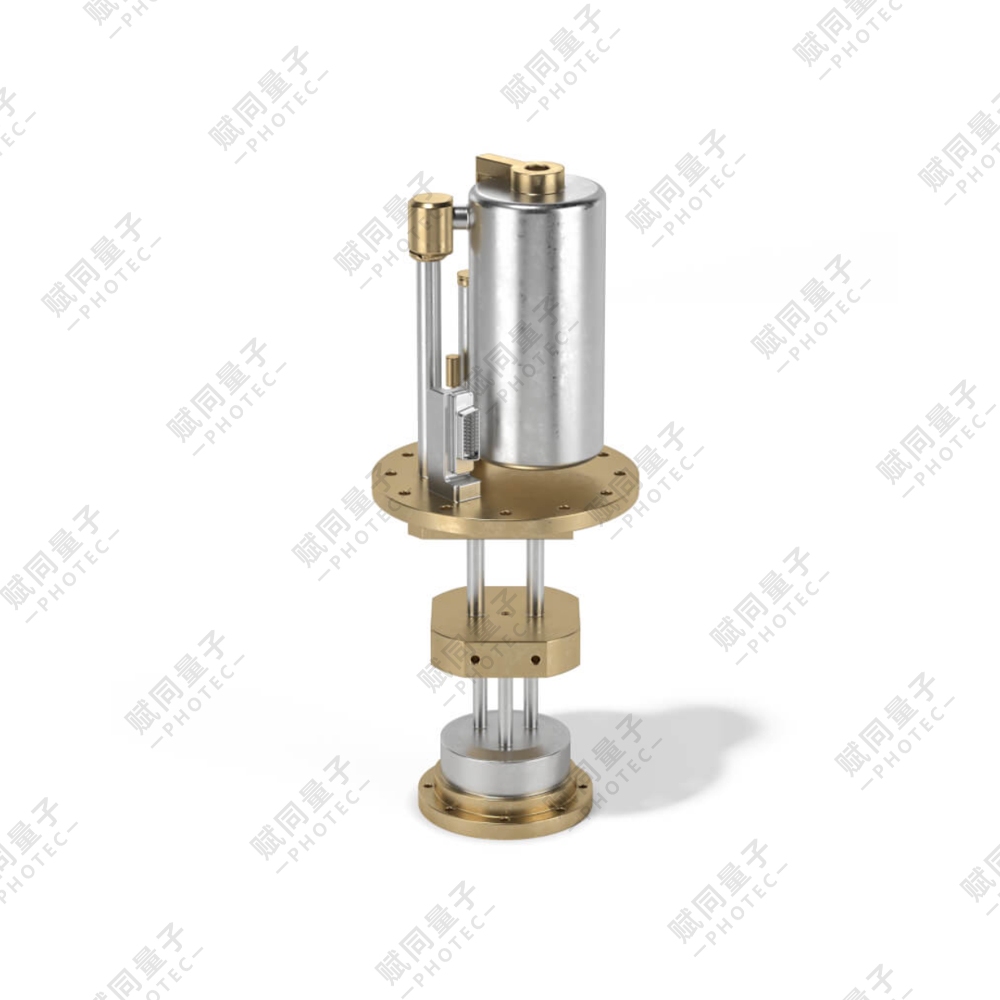
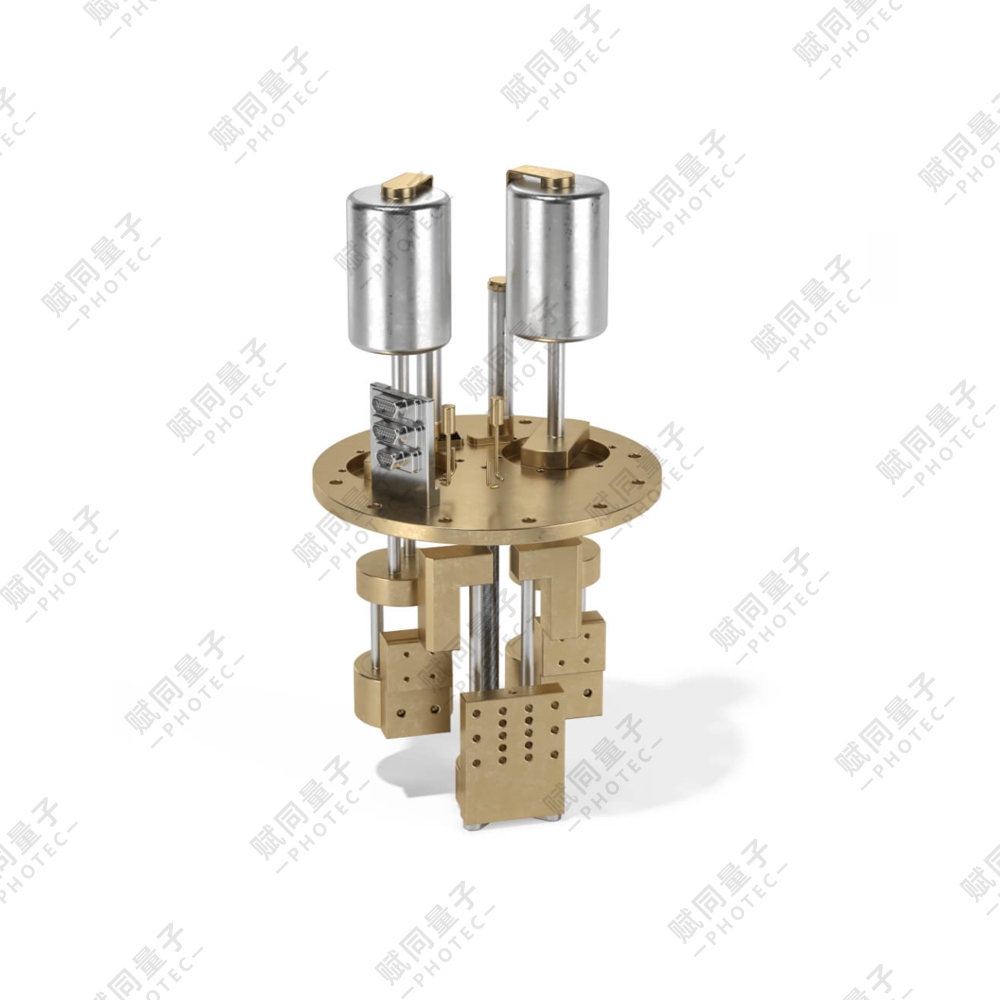
The 800 mK sorption refrigerator uses He3 sorption cooling with G-M precooling. Intermittent operation reaches 800 mK through liquefaction and sorption cycles. The continuous design alternates two He4 modules to maintain low temperature without manual switching.
800 mKIntermittent minimum temperature
>24 hLow-temperature hold time
<2 hRecovery time
100 μW–1 mWCooling power at 1 K
Core capabilities
- No liquid helium is required.
- Compact sorption cycles offer low operating cost and maintenance.
- Intermittent operation exceeds 24 h per cycle, with recovery below 2 h.
- Alternating modules enable long-duration automated continuous operation.
Technical specifications
| Parameter | 800 mK intermittent | 800 mK continuous |
|---|---|---|
| Minimum temperature | 800 mK | 900 mK |
| Operating mode | Intermittent | Continuous |
| Hold time per cycle | >24 h | Continuous operation |
| Recovery time | <2 h (4 K to 1 K) | Alternating modules |
| Cooling power at 1 K | 100 μW / 1 mW (configuration-dependent) | 100 μW |
| Minimum precooling power | 100 mW @T <4 K | 100 mW @T <4 K |
| Operating features | Low cost, low power, maintenance-free, compact | Software-controlled alternating dual He4 modules |
Applications
Low-background single-photon detectionCooling for single-photon devices requiring subkelvin temperatures.
Superconducting device testingCharacterisation of superconducting films, detectors and microwave devices.
Quantum devices and materialsLow-noise cryogenic measurements without liquid helium.
Long-duration automated experimentsThe continuous model supports long tests without frequent manual intervention.
Configuration and options
Minimum temperature differs: 800 mK in intermittent mode and 900 mK in continuous mode. If 800 mK is required throughout a measurement, confirm that the intermittent cycle fits the experiment.