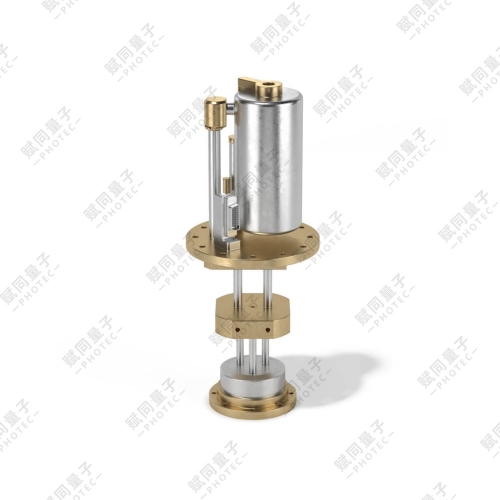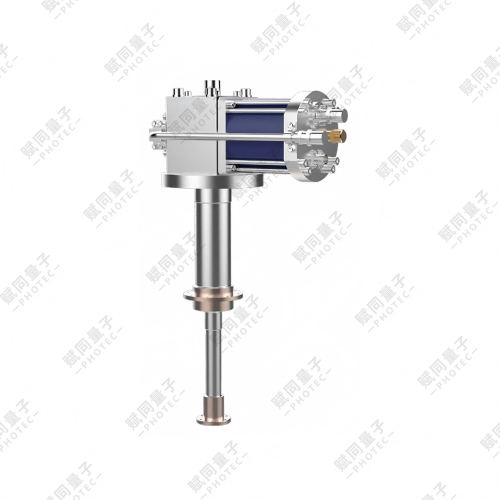
Key advantages include no moving parts, ultralow vibration, no helium loss and electrical power input only. Products can be customized for the application, including changes to operating time, cooling load, compatibility with an existing cryostat and available installation space.
300 mK adsorption refrigerator
- Previous:800 mK adsorption refrigerator
- Next:KED401S2 GM refrigerator
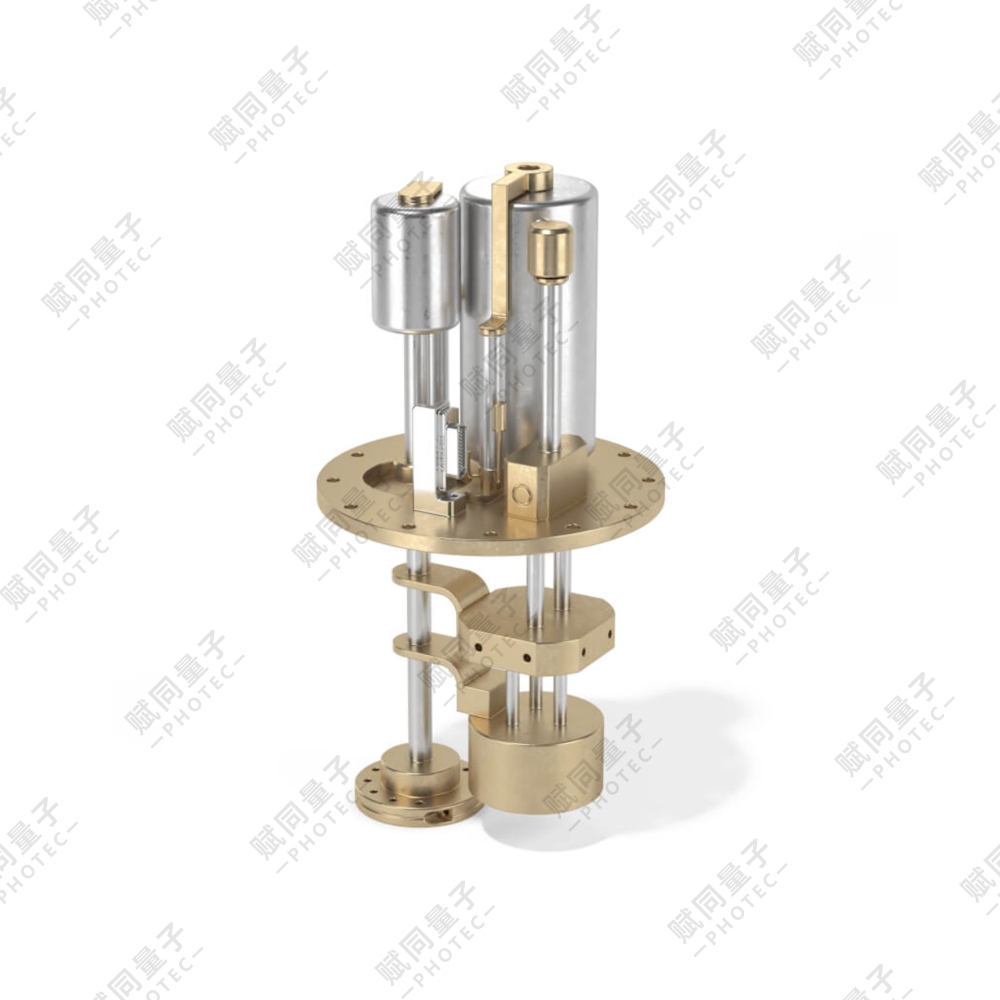
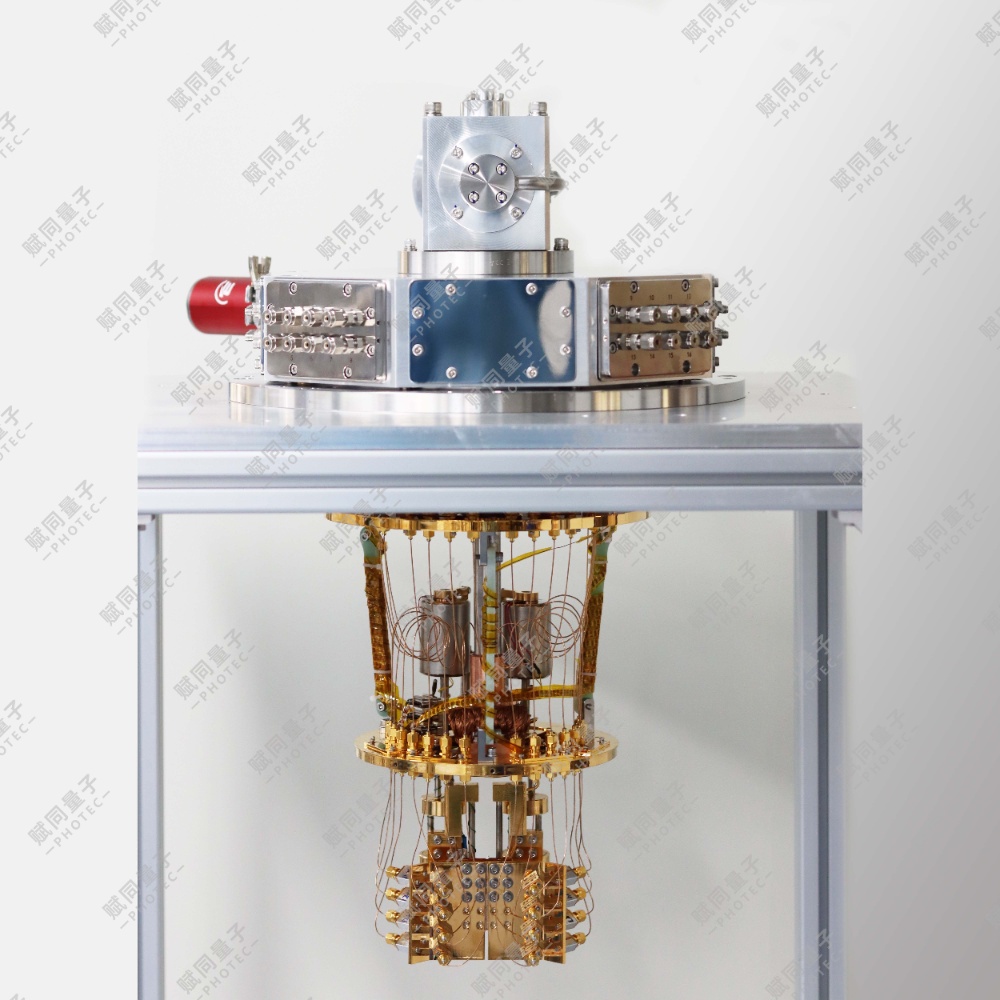
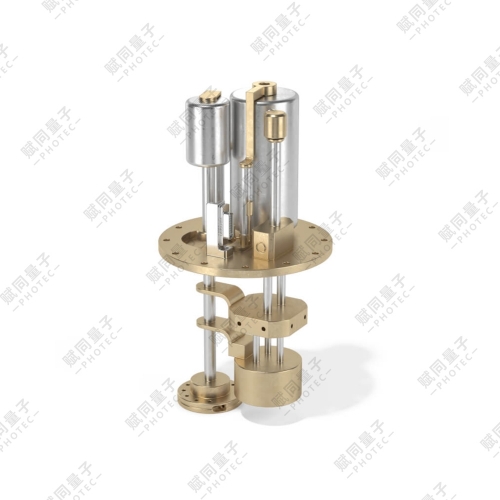
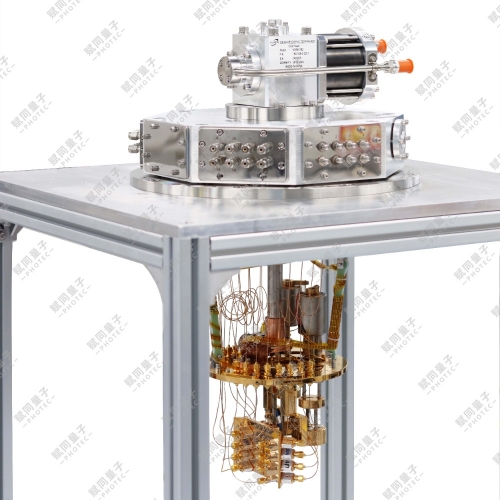
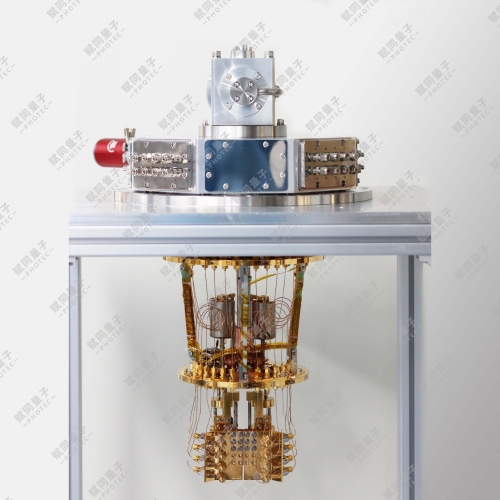
Product details
He3 sorption cooling · 300 mK
Closed-cycle sorption cooling to 300 mK for ultralow-temperature device tests and low-background detection.
Each cycle liquefies He3 and uses a sorption pump to control evaporation and condensation, cooling the sample to 300 mK. The closed-cycle design supports superconducting, single-photon and low-noise measurements without liquid helium.
300 mKMinimum temperature
12 hLow-temperature hold time
30–50 μWCooling power at 350 mK
<2 hRecovery time
Core capabilities
- He3 sorption cooling reaches 300 mK.
- Closed-cycle operation needs no liquid-helium refill.
- Approximately 12 h of low-temperature operation per cycle; recovery below 2 h.
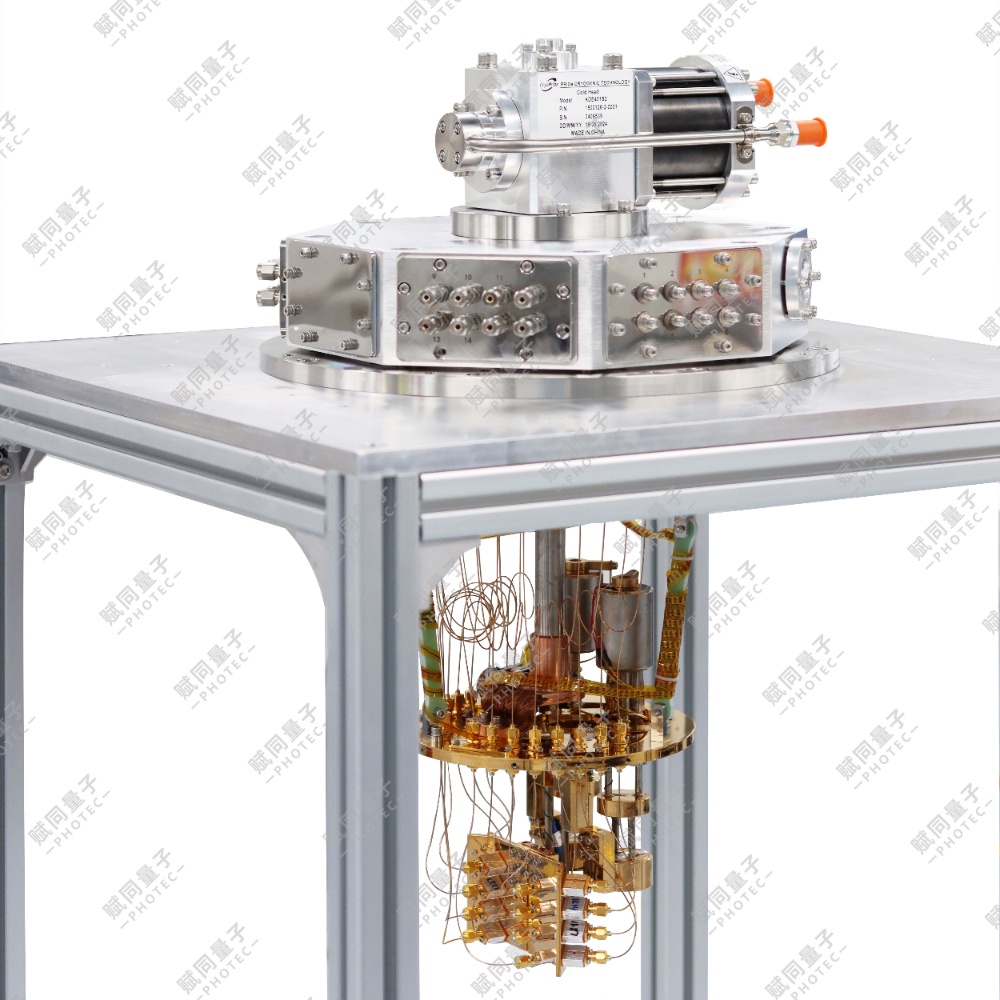
- Compact design integrates with G-M cryogenic systems.
Technical specifications
| Parameter | 300 mK sorption refrigerator |
|---|---|
| Minimum temperature | 300 mK |
| Cooling method | He3 sorption cooling |
| Operating mode | Intermittent |
| Hold time per cycle | 12 h |
| Recovery time | <2 h (4 K to 1 K) |
| Cooling power at 350 mK | 30 μW / 50 μW |
| Minimum precooling power | 300 mW @T <4 K |
| Operating features | Closed cycle, no liquid helium, low maintenance |
Applications
Ultralow-temperature single-photon detectionFor detectors and low-background measurements requiring 300 mK.
Superconducting quantum devicesLow-noise quantum-device and superconducting-circuit tests.
Quantum transport and materialsUltralow-temperature electrical transport and material-property measurements.
Cryogenic RF measurementsLow-noise chains with cryogenic amplifiers and RF cables.
Configuration and options
The refrigerator operates intermittently, holding low temperature for about 12 h per cycle. Cooling power, heat load and wiring heat leaks affect the actual hold time and minimum temperature.